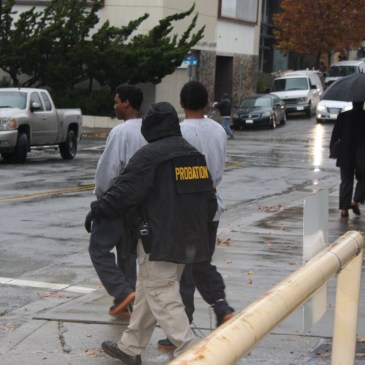
The struggling neighborhoods of Richmond include streets where young men loyal to their hoods have to choose between that loyalty and the law. These are children born into neighborhood feuds and personal battles that persist through generations, sometimes waiting years to be avenged. These are lives challenged by the isolation of poverty, lack of education, addiction, mental illness, absent parents and environmental injustices. Those who sink most deeply into a life corrupted by revenge can cause havoc for the community and chaos for themselves. The police usually call these young black men gangsters and the district attorney attaches long, often lifelong years to their prison sentences if they are convicted of violent crimes.
Once arrested, these men rely on investigation that focuses attention on their circumstances as well as on the question of their culpability. Working alongside lawyers assigned to represent them, the defense investigator must find and present the life that is hiding behind whatever crime is alleged. This work is often frustrated by overzealous prosecutors who lose track of the defendant as “human being.” But it is also buoyed by the opportunity to peel back so much societal branding and find a person who not only isn’t guilty as charged but is also not the devil he has been dressed up to portray. This is a job I have had the privilege of doing for thirty-four years. Often enough, the men I have worked for have been found guilty in court. But sometimes the lawyer and I find irregularities in the charges or blatant mistakes in the witness statements. Other times the evidence presented by the police and prosecution is addled with reneged testimony or not enough surety about what really happened. Often enough, the person arrested has not done the deed for which he’s charged. Verdicts are not always just, particularly in the world of Black defendants. False identifications, identifications given in exchange for favors, police misconduct, rubber-stamping judges and tainted evidence are but a few of the reasons black men go to prison for crimes they did not commit. The most dispiriting results come when the defendant, after hearing his guilty verdict, quietly thanks his legal team for helping and goes about his way. The life you watch depart is always a life that could have, should have been saved. This process of investigating the criminal cases of young black men is always mind-blowing and sad. Reacting to the prevalent violence in their neighborhoods, many of these men use that same violence to save face, settle diputes, assert control and minimize future victimization. In court, most people focus on the plight of the victim, but the guilty defendant suffers similar deep wounds and alarming consequences. To trace the lives of these defendants is to journey into our society’s darkest behavior toward people of color. The ramifications of our neglect, racism and outright unkindness is played out every day in our criminal courts. There are community organizations, individual angels, clergy and some government workers who are trying to reach out to these folks who end up in our jails and our prisons. More about that later. For now, this is just a shout-out to the defense investigators who believe deeply in what they’re doing. Linda Sanderson